
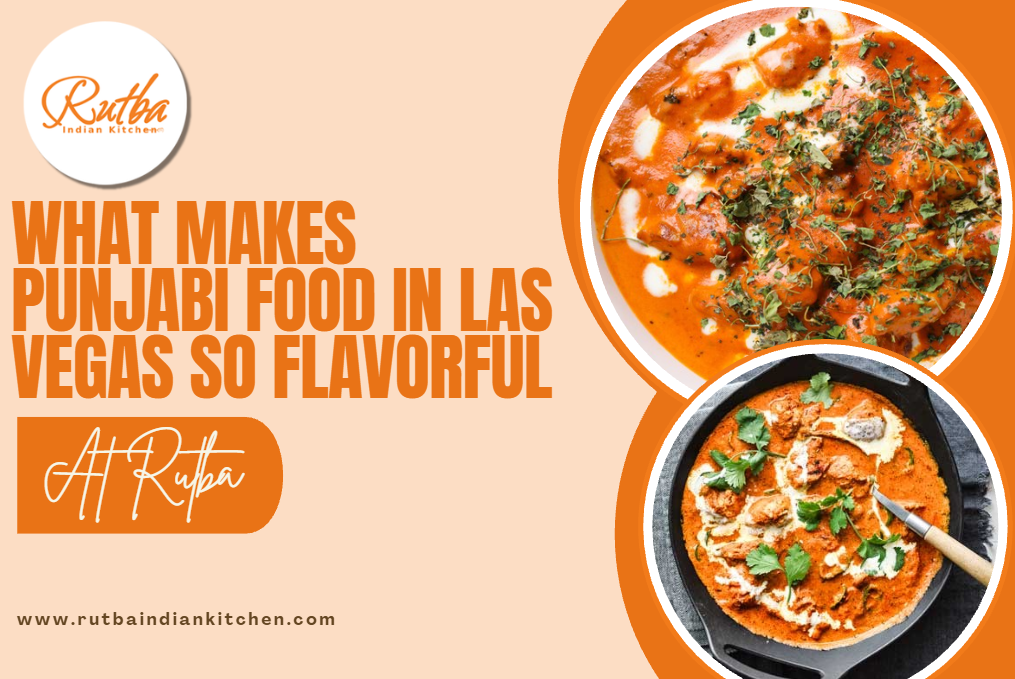
Punjabi food in Las Vegas has a way of making you crave another bite even when you are already full. From the smoky aroma of tandoori dishes to the rich taste of slow-cooked dals and the comforting combination of makki di roti and sarson da saag, every meal brings together bold flavours, traditional cooking techniques, and a deep love for food.
But what makes Punjabi cuisine so distinctive? Is it the spices, the generous use of butter and ghee, or the time spent preparing each dish? The answer lies in a combination of ingredients, cooking methods, and culinary traditions that have shaped Punjab’s food culture over generations.
At Rutba India Kitchen, traditional Punjabi flavours reflect the warmth, richness, and character that make this cuisine so loved.
1. The Perfect Balance of Spices
Punjabi food is known for its bold flavours, but it is not simply about adding more spices. The real secret lies in combining the right ingredients in the right proportions.
Cumin, coriander, turmeric, red chilli powder, garam masala, and dried fenugreek leaves are commonly used to create layers of flavour. Ginger, garlic, and green chillies add freshness and heat, while ingredients such as kasuri methi bring a distinctive aroma to many gravies.
Each spice has a purpose. Some build warmth, others add earthiness, and a few provide the finishing touch that makes a dish memorable. This thoughtful combination is what gives traditional Punjabi curries their characteristic depth.
2. Slow Cooking Brings Out Richer Flavours
One of the defining features of traditional Punjabi cooking is the patience behind it. Many popular dishes taste their best when given enough time to develop their flavours.
Take dal makhani, for example. Black lentils and kidney beans are cooked until tender, allowing them to develop a creamy consistency. The addition of butter, cream, and carefully prepared spices creates the rich taste the dish is known for.
Similarly, chole benefits from simmering in a well-seasoned gravy, allowing the chickpeas to absorb the flavours of the spices.
Slow cooking does more than soften ingredients. It allows different flavours to blend naturally, creating dishes that taste balanced, rich, and satisfying.
3. The Smoky Magic of the Tandoor
Some Punjabi dishes are instantly recognisable by their smoky aroma. Much of this distinctive character comes from the tandoor, a traditional clay oven used to prepare breads and marinated foods at high temperatures.
Tandoori roti and naan develop lightly charred surfaces while remaining soft inside. Tandoori chicken and other marinated dishes acquire a roasted exterior and a flavourful interior through intense heat and careful cooking.
The contrast between smoky edges, tender textures, and aromatic marinades gives tandoori food its special appeal. It is a cooking technique that adds character without relying entirely on spices or rich sauces.
4. Butter, Ghee, and Dairy Add Comfort
Punjabi cuisine is also famous for its rich and comforting textures. Butter, ghee, cream, yoghurt, and paneer feature in many traditional recipes, each contributing something different.
Butter adds richness to dishes such as dal makhani, while ghee enhances the aroma of parathas and traditional preparations. Yoghurt is often used in marinades to tenderise ingredients and balance spices, while paneer provides a satisfying texture in vegetarian curries.
However, dairy is not the only source of flavour in Punjabi food in Las Vegas. The natural sweetness of onions, the tanginess of tomatoes, roasted spices, and fresh herbs all contribute to the final taste.
It is this combination of ingredients, rather than any single element, that makes the cuisine so appealing.
5. Fresh Ingredients Make a Real Difference
Punjabi cooking has strong roots in agriculture, and fresh, seasonal ingredients have long played an important role in its food traditions.
Tomatoes, onions, ginger, garlic, green chillies, coriander, and seasonal vegetables form the foundation of countless dishes. Freshly prepared ingredients bring brightness and fragrance, while quality lentils, dairy products, and spices help build the desired flavour and texture.
Seasonality is particularly evident in dishes such as sarson da saag, traditionally prepared with mustard greens and often enjoyed during winter. Paired with makki di roti, white butter, and jaggery, it represents the close connection between Punjabi food and the agricultural seasons.
The freshness of ingredients helps create meals that feel authentic, satisfying, and rooted in tradition.
6. Every Dish Has a Story Behind It
Punjabi cuisine is not just about taste. Many of its most loved dishes carry memories of family meals, celebrations, village kitchens, and shared occasions.
Chole bhature is a popular choice for indulgent breakfasts and lunches. Rajma chawal offers the comfort of a familiar home-cooked meal, while parathas filled with potatoes, paneer, or other ingredients make for a satisfying start to the day.
Then there is the traditional Punjabi thali, which brings together different flavours and textures on one plate. A combination of dal, seasonal vegetables, roti, rice, and accompaniments offers a more complete experience of the cuisine.
These dishes continue to hold their place because they offer more than nourishment. They connect people with familiar tastes and cherished food traditions.
Experience the Richness of Punjabi Cuisine at Rutba India Kitchen
So, what makes Punjabi cuisine so flavorful? It is the harmony between aromatic spices, fresh ingredients, traditional cooking techniques, and the patience required to bring everything together.
From smoky tandoori breads to creamy dals and hearty Punjabi classics, every dish reflects a culinary tradition built around bold taste and generous hospitality.
At Rutba India Kitchen, exploring Punjabi food in Las Vegas means discovering the flavours that make every meal feel special. Whether you enjoy rich gravies, freshly prepared breads, or traditional favourites, Punjabi food offers something memorable in every bite.
About The Author


